
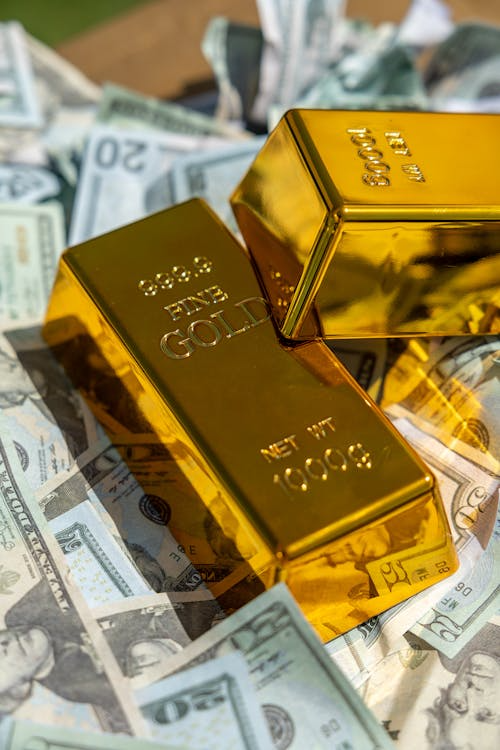
Global market volatility has become a persistent feature of the investment landscape, driven by geopolitical tensions, shifting monetary policies, and evolving economic fundamentals. In 2023, gold prices demonstrated their resilience, with the precious metal often reaching record highs in various currencies, including the U.S. dollar, despite rising real interest rates. This performance underscores gold’s distinct position as a strategic asset, particularly for sophisticated long-term portfolios seeking stability and diversification amidst uncertainty.
The Historical Bedrock of Gold’s Value
For millennia, gold has served as a universal store of value. Its intrinsic properties—scarcity, durability, malleability, and unique aesthetic—have cemented its role across civilizations and economic systems. Unlike fiat currencies, gold cannot be printed or devalued by governmental decree. Its supply is finite, primarily determined by mining output, which historically grows at a modest rate of approximately 1-2% per year.
This inherent scarcity provides a fundamental floor to its value, distinguishing it from other commodities subject to rapid supply fluctuations. The World Gold Council reports that total above-ground gold stock reached an estimated 208,874 tonnes by the end of 2022, with approximately 52% held as jewelry, 20% by central banks, 17% as private investment, and 11% in industrial applications. This distribution highlights its dual nature as both a consumer good and a monetary asset.
Gold as a Counter-Cyclical Asset
One of gold’s most compelling attributes for long-term investors is its tendency to perform well during periods of economic distress or market downturns. This counter-cyclical behavior contrasts sharply with most equity and fixed-income assets. When investor confidence wanes, capital frequently flows into gold, seeking refuge from risk.
- Financial Crises: During the 2008 global financial crisis, gold prices surged, providing a hedge against widespread market collapse.
- Recessions: Gold has historically offered positive returns in periods when GDP growth contracts and corporate earnings decline.
- Geopolitical Instability: Events such as regional conflicts or significant political shifts often trigger a flight to safety, benefiting gold.
This characteristic makes gold a vital component for portfolio risk mitigation. Its inverse correlation with traditional assets can dampen overall portfolio volatility, particularly during tail-risk events.
Inflationary Hedging Capabilities
Inflation erodes purchasing power, diminishing the real returns of many conventional investments. Gold has historically been regarded as an effective hedge against inflation, particularly when inflationary pressures are unexpected or persistent.
- Historical Data: Analysis of market cycles over the past five decades indicates gold typically performs robustly when inflation rises above 3%.
- Fiat Currency Devaluation: As central banks expand the money supply, the value of fiat currencies can decline, making finite assets like gold more attractive.
- Real Interest Rates: Gold’s performance often correlates inversely with real interest rates (nominal interest rates minus inflation). When real rates are low or negative, the opportunity cost of holding non-yielding gold decreases, boosting its appeal.
During periods of high inflation, investors seek assets that retain their purchasing power. Gold’s tangible nature and limited supply position it as a preferred choice over financial instruments that may struggle to keep pace with rising costs.
Diversification: Enhancing Portfolio Efficiency
Effective portfolio diversification aims to reduce overall risk without sacrificing potential returns. Gold offers significant diversification benefits due to its generally low correlation with other major asset classes, including equities, bonds, and real estate.
- Equities: Gold often moves independently of stock markets, providing a buffer when equities experience downturns. This low correlation is particularly evident during periods of high market stress.
- Bonds: While bonds can offer stability, their effectiveness as a diversifier diminishes in rising interest rate environments or periods of high inflation. Gold can complement bonds by providing an alternative source of stability.
- Commodities: Gold also exhibits distinct characteristics from other commodities like oil or industrial metals, which are often more sensitive to global economic growth cycles.
A small allocation to gold in a diversified portfolio can improve its Sharpe ratio, indicating better risk-adjusted returns. Studies by institutions such as the World Gold Council and Morningstar consistently show that portfolios incorporating a strategic gold allocation (e.g., 5-10%) tend to exhibit lower volatility and higher returns over the long term.
Monetary Policy and Real Interest Rates
Central bank policies exert a significant influence on gold prices. The relationship between monetary policy, real interest rates, and gold is foundational to understanding its investment appeal.
- Interest Rates: When central banks raise nominal interest rates, the opportunity cost of holding a non-yielding asset like gold increases. Conversely, lower rates reduce this opportunity cost.
- Inflation Expectations: Central bank mandates often include managing inflation. If inflation expectations rise, and central banks are perceived as lagging in their response, gold’s appeal as an inflation hedge grows.
- Quantitative Easing/Tightening: Periods of quantitative easing (QE), involving large-scale asset purchases, expand the money supply and can lead to concerns about currency debasement, benefiting gold. Quantitative tightening (QT) can have the opposite effect.
The interplay of these factors creates a dynamic environment for gold. Historically, environments characterized by negative or low real interest rates have been particularly supportive of gold prices. Investors favor gold when the return on fixed-income assets, adjusted for inflation, is unattractive.
The Role of Central Banks as Gold Holders
Central banks globally are significant holders of gold, demonstrating its enduring monetary status. Their actions, both buying and selling, can influence market sentiment and prices.
- Official Reserves: Gold constitutes a portion of many nations’ official foreign exchange reserves. It provides a credible asset that is not subject to the credit risk of any single government or institution.
- Diversification of Reserves: Central banks often increase gold holdings to diversify their reserves away from specific fiat currencies, reducing exposure to currency fluctuations or geopolitical risks associated with those currencies.
- Geopolitical Hedging: Nations may increase gold reserves to hedge against potential sanctions, economic instability, or geopolitical tensions that could impact their ability to transact in reserve currencies.
In 2022, central banks recorded their highest annual net gold purchases since 1950, acquiring 1,136 tonnes, according to the World Gold Council. This trend continued into 2023, signaling a persistent strategic interest in gold as a foundational reserve asset.
Gold Supply and Demand Dynamics
Understanding the fundamental supply and demand drivers is crucial for long-term analysis of gold’s price trajectory.
Supply Sources:
- Mine Production: Accounts for the majority of new gold supply. Production growth is often slow due to the long lead times for new mines and declining ore grades.
- Recycled Gold: Gold from jewelry, industrial applications, and investment scrap contributes a significant portion, typically increasing when prices are high.
Demand Categories:
- Jewelry: Historically the largest component of demand, particularly in Asian markets like India and China.
- Investment: Includes physical gold (bars, coins), gold-backed exchange-traded funds (ETFs), and other financial products. This category is highly sensitive to macroeconomic conditions and investor sentiment.
- Central Banks: As discussed, their purchases and sales significantly impact the market.
- Technology/Industrial: Used in electronics, dentistry, and other industrial applications due to its unique properties.
Fluctuations in these categories, especially investment and central bank demand, can exert substantial influence on gold prices. Geopolitical events or economic shifts can rapidly alter investment demand, outweighing more stable jewelry or industrial consumption.
| Sector | Est. Annual Demand (Tonnes) | % of Total Demand | Strategic Context (2025) |
| Jewelry | 1,800 – 1,950 | 38% – 42% | Traditionally the largest sector; currently under pressure in price-sensitive markets like India and China due to record-high costs. |
| Investment | 1,300 – 1,550 | 28% – 32% | A massive surge in 2025 driven by gold-backed ETFs and retail bar/coin demand as a hedge against currency volatility. |
| Central Banks | 1,000 – 1,100 | 20% – 22% | Sustained high demand from “Global South” nations seeking to diversify foreign reserves away from the US Dollar. |
| Technology | 320 – 350 | 7% – 8% | Growth in this sector is currently fueled by the AI boom, as gold is essential for high-performance chips and data center hardware. |
| OTC & Others | 350 – 450 | ~8% | Represents “Over-the-Counter” private institutional buying and various smaller industrial uses. |
Integrating Gold into a Long-Term Portfolio
Strategic allocation to gold requires careful consideration of an investor’s risk tolerance, time horizon, and overall portfolio objectives. There are multiple avenues for gaining exposure to gold.
Physical Gold:
- Bars and Coins: Direct ownership provides maximum security against systemic risk. Requires secure storage, which incurs costs.
- Vaulted Gold: Services that store allocated or unallocated gold on behalf of investors, offering liquidity and professional custody.
Gold-Backed Exchange-Traded Funds (ETFs):
- GLD, IAU, SGOL: These ETFs track the price of gold by holding physical bullion in trust. They offer liquidity, ease of trading, and lower storage costs compared to direct physical ownership.
- Accessibility: Provide a simple way for retail and institutional investors to gain exposure without managing physical assets.
Gold Mining Stocks:
- Leveraged Exposure: Shares in gold mining companies can offer leveraged exposure to gold prices. Their profitability is tied to the spread between gold prices and their production costs.
- Operational Risks: Subject to company-specific risks (management, geological, political, environmental) beyond just gold price movements.
- Gold Futures and Options:
- Derivatives: Primarily used by professional traders for hedging or speculative purposes. High leverage entails significant risk.
For long-term strategic allocation, physical gold (or well-structured gold ETFs) often represents the most direct and purest play on gold’s intrinsic value and safe-haven characteristics. A typical allocation ranges from 5% to 15% of a diversified portfolio, depending on the investor’s specific objectives and outlook.
Opportunity Cost and Portfolio Construction
A common critique of gold is its lack of yield. Unlike dividend-paying stocks or interest-bearing bonds, gold does not generate income. This “opportunity cost” is a critical consideration for portfolio managers.
- Negative Real Yields: In environments where real interest rates are negative, the opportunity cost of holding gold diminishes significantly. The real return on cash or short-term bonds can be less than zero, making gold a relatively more attractive alternative.
- Deflationary Environments: In severe deflationary periods, cash may become king. However, gold still offers protection against systemic financial collapse, a scenario where cash could be subject to banking crises.
- Strategic Role: Gold’s primary role is not income generation, but rather capital preservation, portfolio diversification, and inflation hedging. Its value proposition lies in its ability to protect against specific risks that other assets may exacerbate.
A sophisticated portfolio recognizes that not every asset needs to generate income. Some assets serve as ballast, protecting capital and reducing volatility. Gold fulfills this role effectively.
The Evolving Geopolitical Landscape
Geopolitical factors increasingly influence gold’s appeal. Heightened global tensions, trade wars, and regional conflicts often trigger a flight to quality.
- Currency Wars: Nations seeking to devalue their currencies to gain export advantages can inadvertently boost gold’s appeal as a stable alternative.
- Sovereign Debt Concerns: Rising national debt levels and the potential for sovereign defaults can prompt investors to seek tangible assets outside the traditional financial system.
- Sanctions and De-dollarization: The weaponization of financial systems through sanctions has led some nations to explore alternatives to the U.S. dollar for international trade and reserves, with gold frequently cited as a potential component of this shift.
These macro-geopolitical shifts reinforce gold’s role as a non-sovereign, universally accepted asset. Its independence from any single government or financial system makes it particularly valuable in an increasingly fragmented global order.
Challenges and Considerations
Despite its strategic advantages, gold investing presents specific challenges that sophisticated investors must acknowledge.
- Volatility: While gold offers stability in certain contexts, its price can still be volatile, particularly in the short term. Sudden shifts in monetary policy expectations or market sentiment can lead to rapid price movements.
- Lack of Yield: As previously discussed, gold does not pay dividends or interest. This can be a disadvantage in environments with high real interest rates, where income-generating assets become more attractive.
- Storage and Insurance Costs: For physical gold, secure storage and insurance are necessary, adding to the overall cost of ownership. These costs can erode returns, particularly for smaller holdings.
- Liquidity for Large Holdings: While gold ETFs are highly liquid, liquidating very large physical holdings, especially in specific forms (e.g., specific bars or coins), can sometimes present logistical challenges.
These considerations necessitate a nuanced approach to gold allocation, ensuring it aligns with the overall portfolio strategy and risk management framework.
Conclusion: Gold as a Permanent Portfolio Component
The fundamental characteristics that have underpinned gold’s value for millennia remain pertinent in the modern investment landscape. Its role as a hedge against inflation, a safe haven during economic and geopolitical uncertainty, and a powerful diversifier for traditional assets continues to make it an indispensable component of long-term portfolios.
For wealth managers, institutional investors, and family offices, a strategic allocation to gold is not merely a tactical play but a foundational element of portfolio resilience. Its ability to preserve capital, mitigate risk, and offer stability when other assets falter positions it as a critical asset for navigating an uncertain future. The data consistently supports its inclusion as a permanent, non-yielding anchor providing essential stability and diversification.
Explore Our Recent Articles:

How Fintech Lending Is Changing the Credit Market

Why Workplace Wealth Programs Are on the Rise

How Advisors Use Model Portfolios to Scale Efficiency

The Growth of Digital Custody Solutions for Crypto Investors

How Wealth Managers Use Financial Scenario Planning to Stress-Test Portfolios Before Markets Break
You already know this uncomfortable truth: most portfolios do not fail because of bad asset…

Why Behavioral Finance Matters More Than Ever in a Market Ruled by Emotion
Markets like to present themselves as rational machines. Prices move because information changes. Investors weigh…